

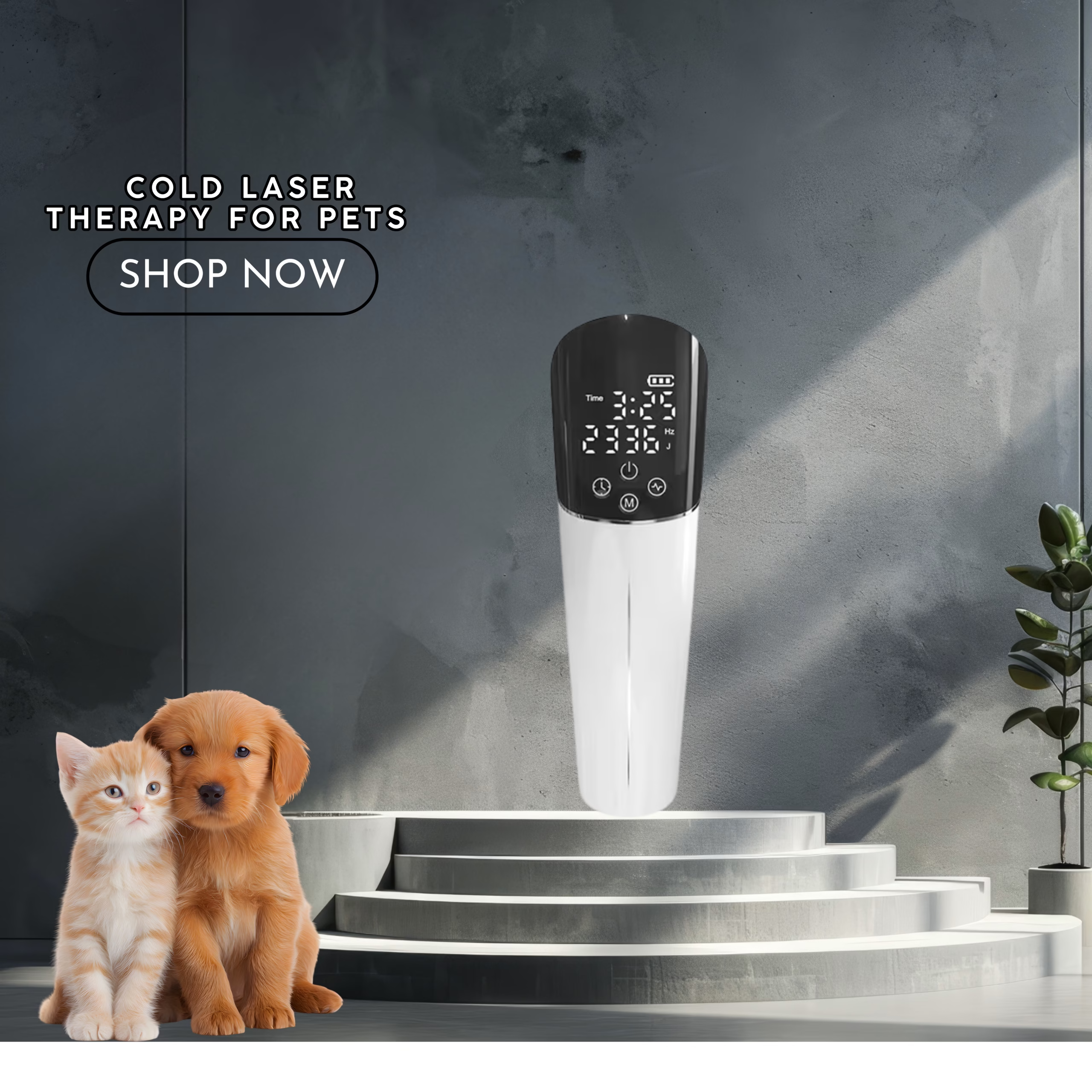
Watching a beloved dog or cat struggle with arthritis, slow-healing wounds, or post-surgical pain is hard for any pet owner. Cold laser therapy — also called low-level laser therapy (LLLT) or photobiomodulation — has become one of the most trusted drug-free treatments in veterinary medicine, and it's now available as an at-home pet laser therapy device. This guide explains exactly how red light therapy works on pets, what it treats, how to use it safely, and our top device pick available at Savage Excess Pet Devices.
Cold laser therapy uses low-level light wavelengths — typically red and near-infrared — to stimulate healing in tissue without generating heat or causing damage. Unlike surgical lasers that cut or burn, "cold" lasers work at much lower power densities, making them completely safe for direct contact with skin and fur.
This technology has been used in veterinary rehabilitation clinics for over two decades, helping animals recover from injuries, surgeries, and chronic pain conditions without medication. What used to require a clinic visit is now available as a handheld pet laser therapy device you can use at home.
Cold laser therapy is also called photobiomodulation or Low-Level Laser Therapy (LLLT). It's the same core technology used in human physical therapy clinics for sports injuries — adapted for veterinary use since the early 2000s.
Red and near-infrared light penetrate the skin and are absorbed by mitochondria — the energy-producing structures inside cells. This triggers a biological cascade that supports the body's natural healing processes:
Veterinarians use cold laser therapy across a wide range of conditions. Here are the most common applications:
One of the most common uses — reduces inflammation and improves mobility in aging pets with degenerative joint disease.
Accelerates incision healing and reduces swelling after spay/neuter, orthopedic surgery, or other procedures.
Common in larger breeds — laser therapy helps manage chronic pain and supports joint function over time.
Sprains, strains, and muscle injuries from activity or accidents respond well to consistent laser sessions.
Supports faster closure of cuts, hot spots, and skin lesions by stimulating cellular repair processes.
Conditions like otitis (ear inflammation) and dermatitis often improve with regular targeted treatment.
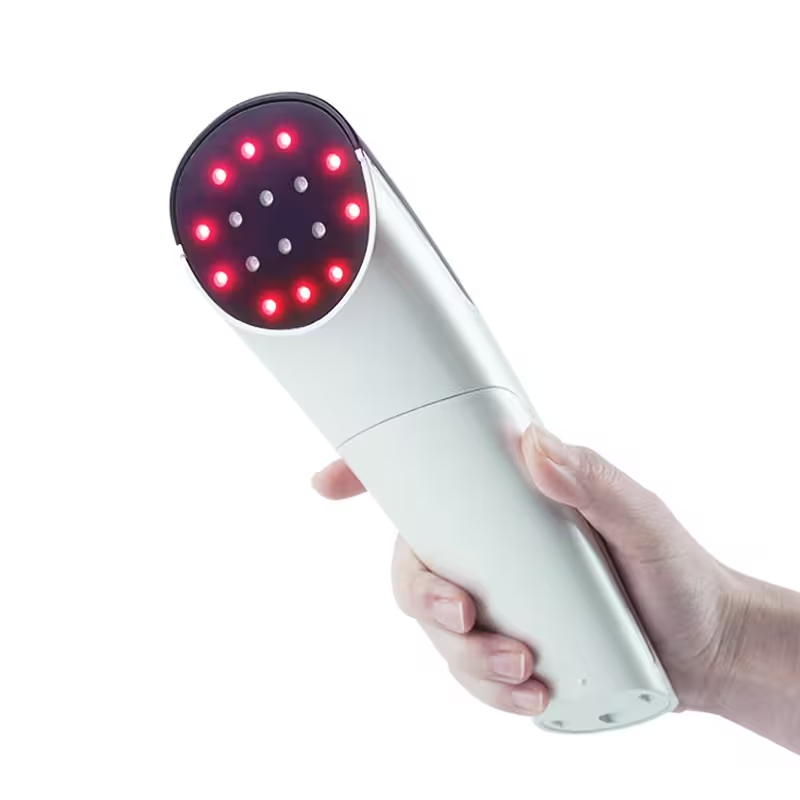
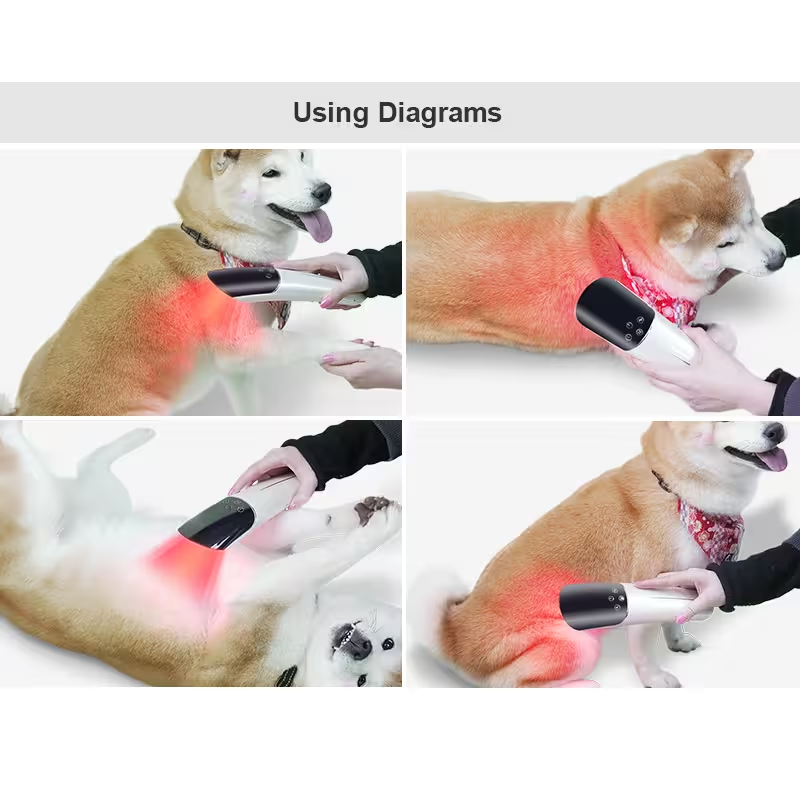
Not all cold laser devices are equal. Understanding laser class and wavelength helps you choose a device that's both safe and effective:
| Laser Class | Power Output | Use Case | Home Use? |
|---|---|---|---|
| Class 1 | <0.4 mW | Too weak for therapeutic effect | Not effective |
| Class 2 | <1 mW | Minimal therapeutic value | Limited |
| Class 3B | 5–500 mW | Standard therapeutic range, used in clinics and home devices | Yes — recommended |
| Class 4 | >500 mW | Deep tissue, faster sessions — requires careful handling | With training only |
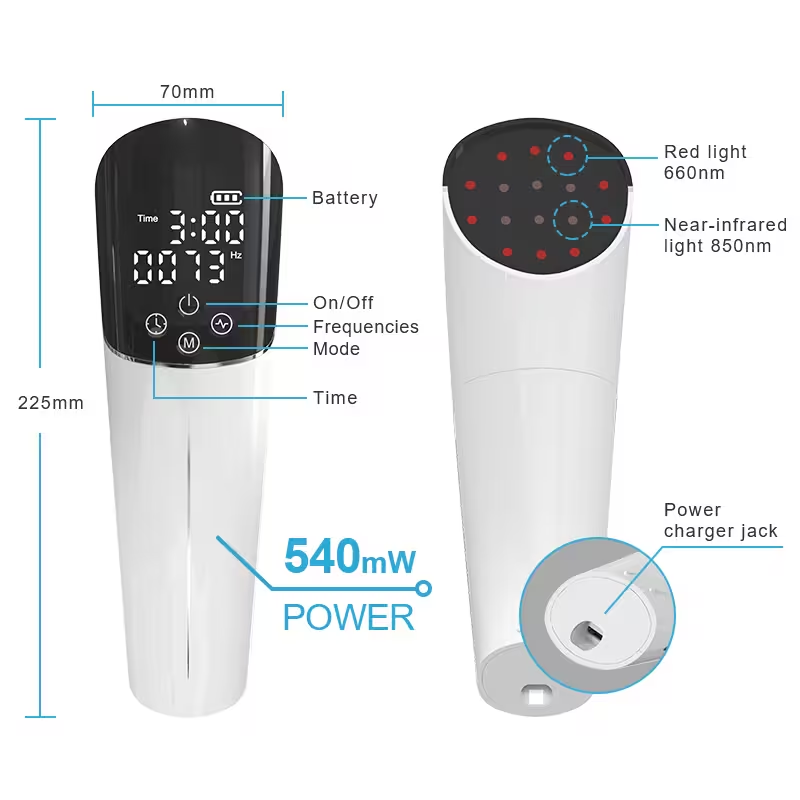
For pets, dual-wavelength devices combining red (630–660nm) and near-infrared (800–850nm) light offer the most versatility — red light treats surface conditions like wounds and skin issues, while near-infrared penetrates deeper for joint and muscle conditions.
This is the therapeutic sweet spot for home use — powerful enough to be effective, but safe without specialized training. Avoid uncertified "laser-like" products that don't list a clear FDA or safety classification.
Devices offering both red and near-infrared wavelengths treat a wider range of conditions — from surface wounds to deep joint pain — in a single tool.
Smaller pets and sensitive areas need lower power settings than larger dogs with deep joint issues. A device with adjustable intensity gives you flexibility across your pet's needs.
Built-in timers prevent over-treatment and ensure consistent session lengths — typically 3–10 minutes per treatment area depending on condition severity.
Pets move. A cordless handheld device makes it far easier to treat a wriggling dog or cat compared to a corded clinic-style unit.
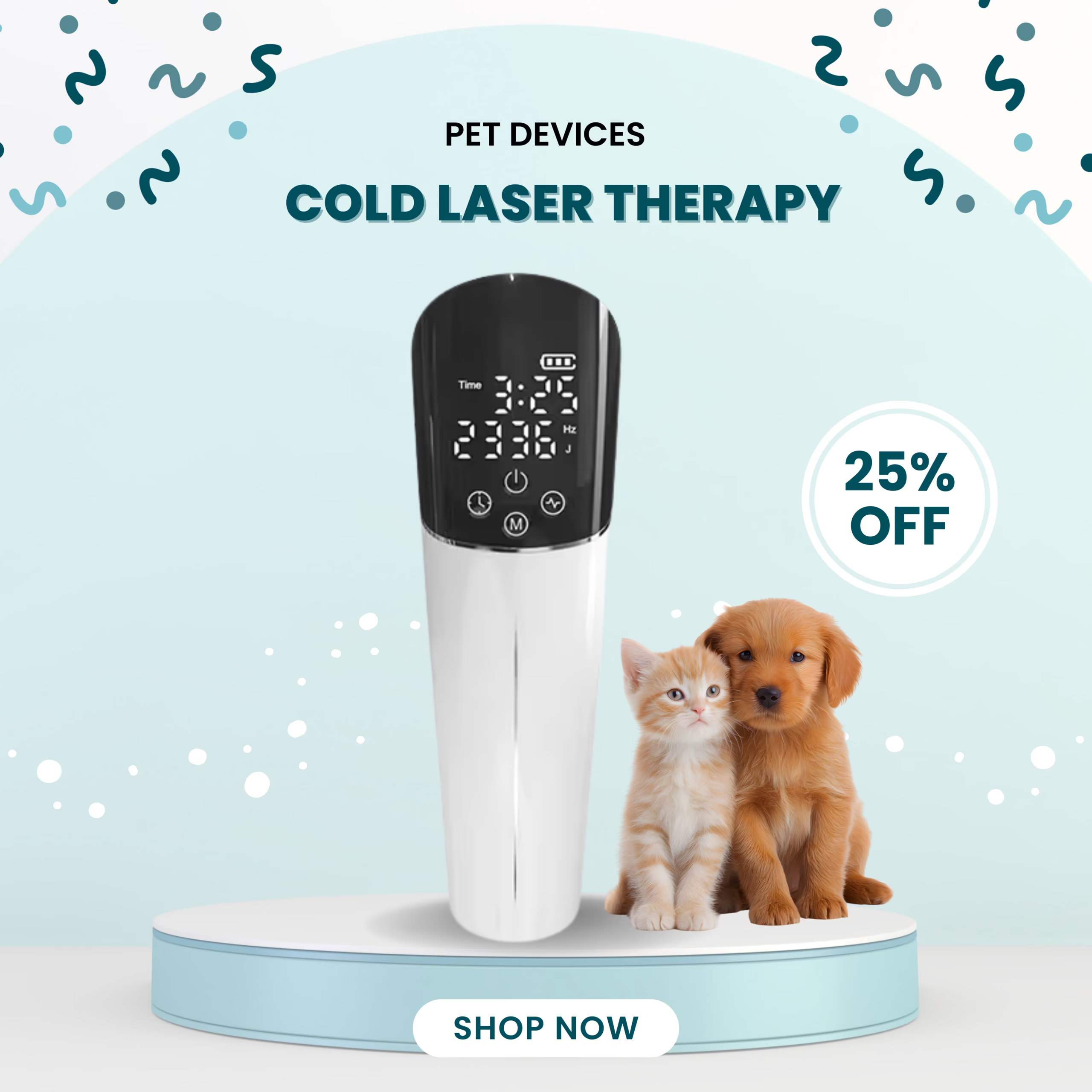
After reviewing the Pet Devices range at Savage Excess, our Handheld Cold Laser is the device we recommend for pet owners managing arthritis, post-surgical recovery, or chronic pain at home.
Available at Savage Excess · Ships from New York · Free Shipping over $350
The same technology helps human joint pain and recovery — explore our Health Devices range.
Before starting any home laser protocol, confirm with your veterinarian that laser therapy is appropriate for your pet's specific condition — especially for tumors, pregnancy, or active infections, where it should be avoided.
For your pet's first session, use the lowest intensity to gauge their comfort level. Most pets tolerate treatment calmly, but starting gentle builds trust for future sessions.
This is the single most important safety rule. Keep the laser head pointed away from your pet's face and eyes at all times during treatment.
Hover the laser head just above the fur (not pressed into skin) and move slowly over the treatment area for even coverage, typically 3-8 minutes per area.
For acute pain, daily sessions during the first week show the best results. For chronic conditions like arthritis, 2-3 sessions per week is a typical maintenance schedule.
Most owners notice improved mobility or comfort within 2-4 sessions for acute issues. Chronic conditions take longer — typically 4-6 weeks of consistent treatment for visible change.
Do not use cold laser therapy over tumors or suspected cancerous tissue, directly over the eyes, on pregnant animals' abdomens, or over the thyroid gland without veterinary guidance. Always check with your vet if your pet has any of these conditions.
| Factor | Veterinary Clinic Treatment | At-Home Handheld Device |
|---|---|---|
| Cost per Session | $30–$75 per visit | One-time device cost |
| Power Output | Often Class 4, higher power | Class 3B, safe for unsupervised use |
| Convenience | Requires travel & appointments | Treat anytime at home |
| Frequency Flexibility | Limited by clinic schedule | Daily if needed |
| Best For | Severe/acute conditions, diagnosis | Maintenance, mild-moderate chronic pain |
Many pet owners use a hybrid approach: an initial veterinary diagnosis and treatment plan, followed by consistent at-home maintenance sessions with a handheld device between clinic visits. This combination often delivers the best long-term results for chronic conditions like arthritis.
Shop the Handheld Cold Laser Therapy Device at Savage Excess — ships from New York.


 Savage Support
Someone in New York, NY
purchased a Savaroma Diffuser
Just now