

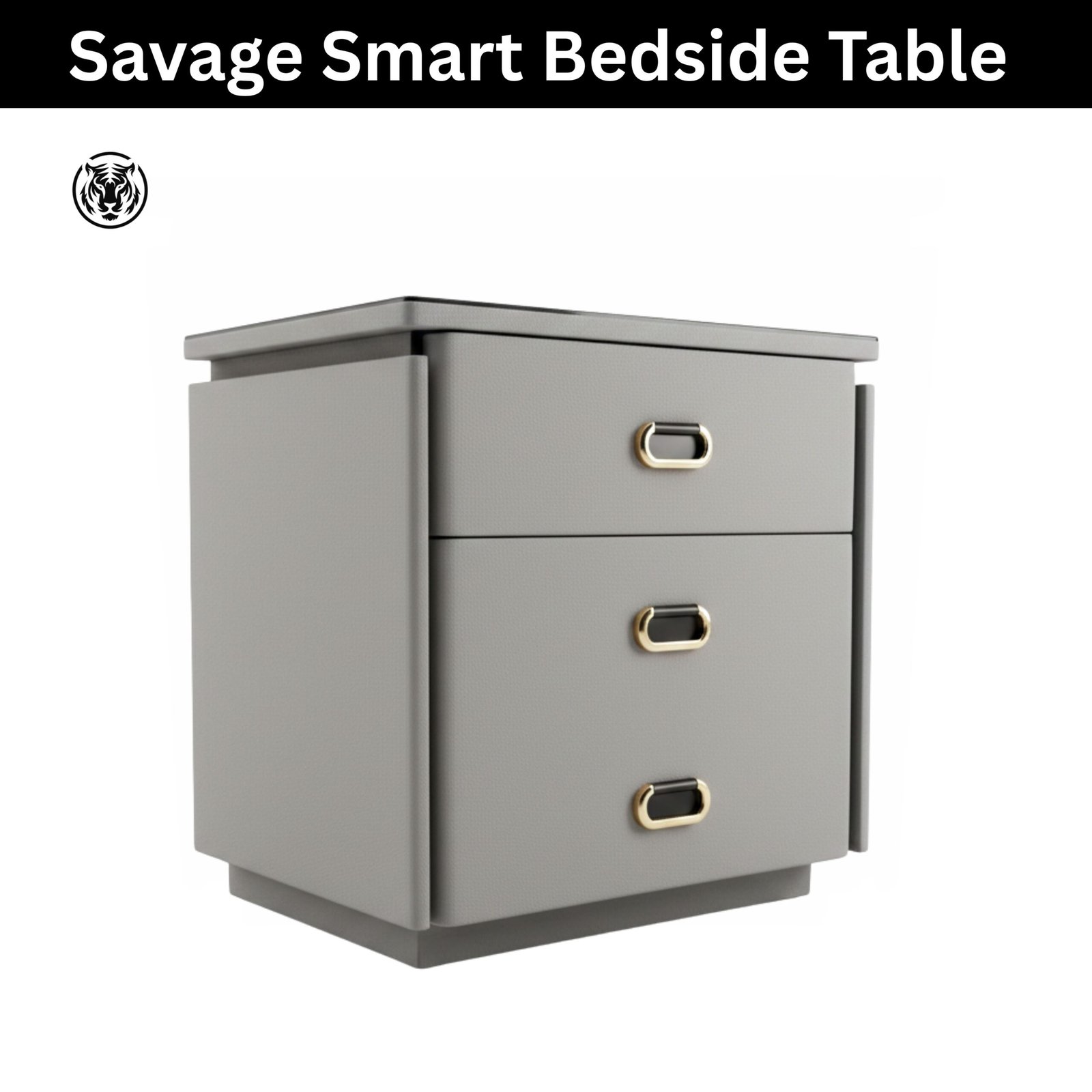
A home safe locker is one of the smartest investments you can make — protecting your documents, valuables, jewelry, passports, and cash from theft, fire, and water damage. But walking into the safe locker market without a guide is overwhelming: dozens of types, confusing fire ratings, lock mechanism jargon, and wildly varying build quality at similar price points. This home safe locker guide cuts through all of it — covering exactly what separates a quality safe from a false sense of security, and which model from our Savage Excess Safe Lockers range we recommend for most homes.
Most people assume a home burglary involves a professional thief with lockpicks and time. In reality, the FBI reports that the average residential burglary takes less than 10 minutes — and thieves target easy-access valuables first. A quality home safe changes the math entirely: it takes too long to open, too heavy to carry, and is often invisible if placed correctly.
Beyond theft, fire destroys an estimated 350,000 homes in the US every year. Documents like passports, deeds, and insurance policies that are irreplaceable take months to recover. A fireproof safe box rated for even 30 minutes gives fire crews enough time to respond while your documents survive intact.
Heavy, large capacity, bolts to the floor. The highest security option for most homes — difficult to move or pry open.
Installed inside a wall cavity, hidden behind art or mirrors. Excellent concealment but limited capacity and lower fire ratings.
Specifically designed to protect paper documents and media. Lighter weight, focused fire and water ratings.
Purpose-built for firearm storage with interior organization, often 45–60 inches tall. Many states legally require this.
Lightweight with a cable lock for hotel rooms or vehicles. Not for permanent home storage — for securing valuables on the go.
Disguised as everyday objects (books, cans, clocks). Maximum concealment, minimal actual security. Use for hiding small cash only.
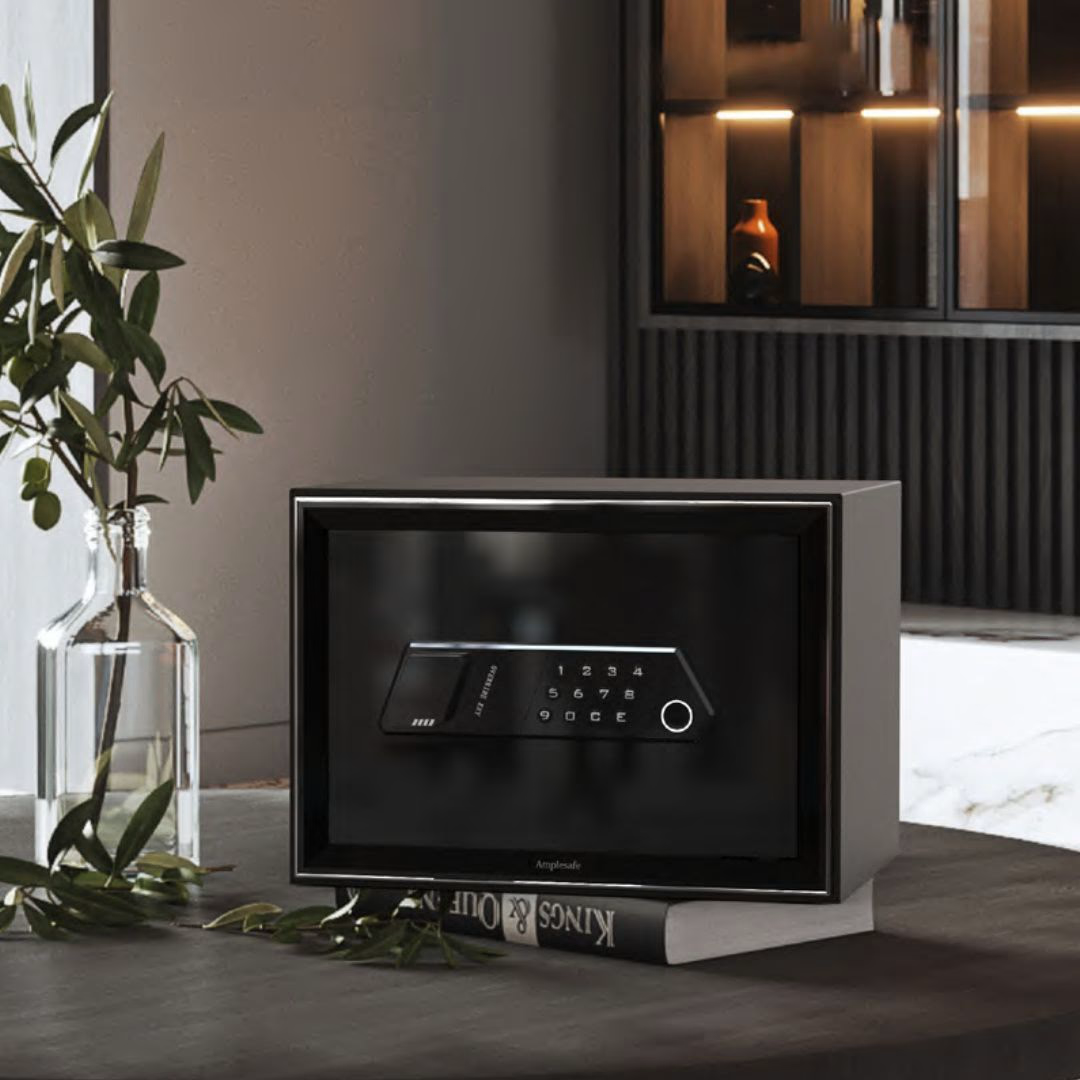
A safe's fire rating is one of the most misunderstood specs in the category. The number indicates how long the interior stays below a critical temperature in a standard house fire — not how long the safe holds together on the outside.
| Rating Class | Max Interior Temp | Duration | Protects | Required For |
|---|---|---|---|---|
| UL Class 350 | Below 350°F | 30–120 min | Paper documents | Standard document safe |
| UL Class 150 | Below 150°F | 30–120 min | 35mm film, photos | Photographic media |
| UL Class 125 | Below 125°F | 30–120 min | USB drives, hard drives, SD cards | Digital media safes |
| ETL / Impact Tested | Varies | Varies | Documents survive floor collapse | Two-story homes |
Paper ignites at 451°F. USB drives and hard drives fail at around 125°F — well below paper's ignition point. A standard UL Class 350 document safe will not protect your hard drives in a fire. If you're storing digital media, you need a UL Class 125 rated unit specifically.
Many quality safes now include water resistance ratings for flood or firefighting water damage. Look for safes rated to withstand submersion for at least 24 hours at a depth of 8–12 inches — this covers most residential flooding scenarios and fire suppression water damage.
| Lock Type | Speed of Access | Key Loss Risk | Power Required | Recommended? |
|---|---|---|---|---|
| Key Lock | Fast | High — key can be lost or copied | None | Backup only |
| Mechanical Dial | Slow — requires careful turning | None | None | Off-grid / bunkers |
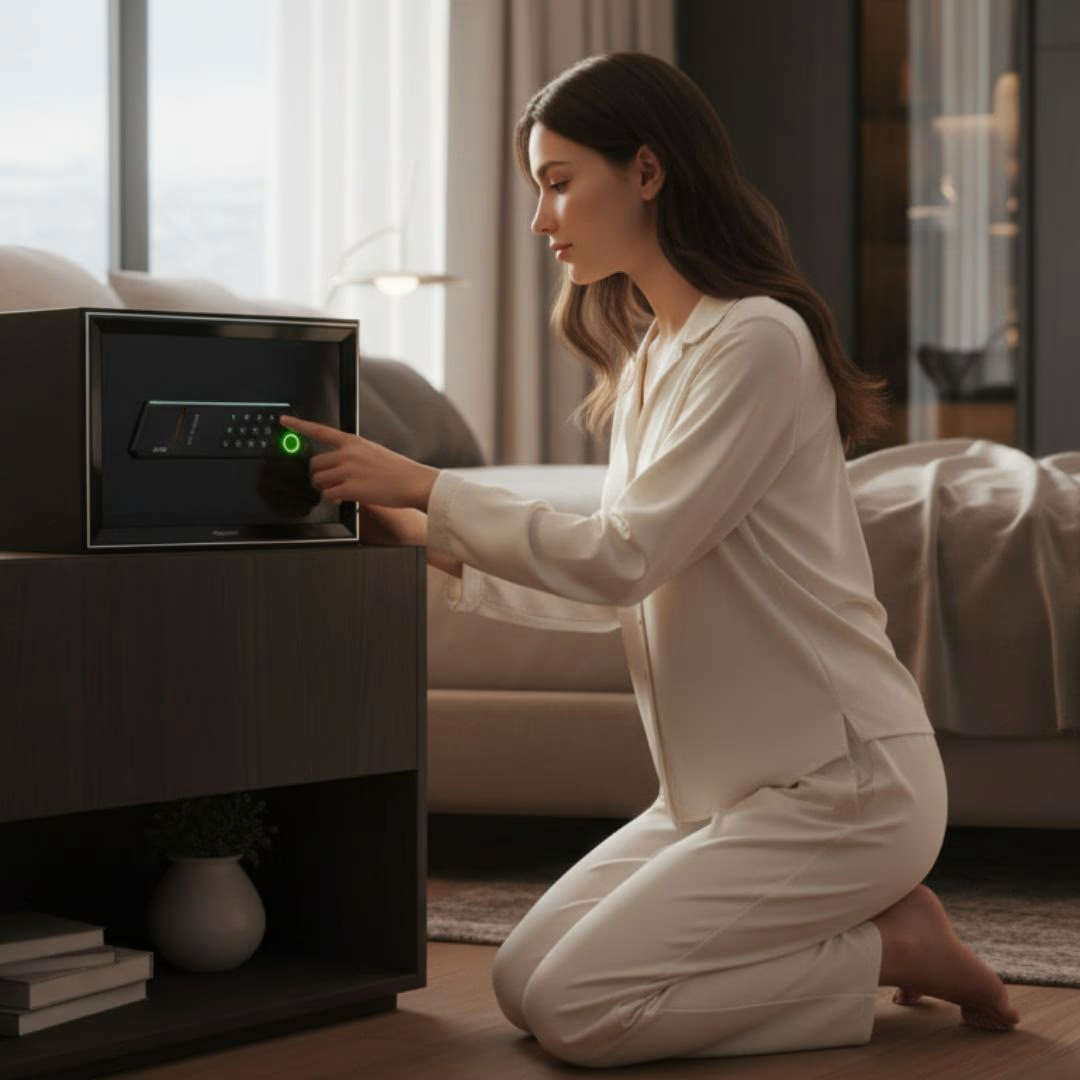
| Digital Keypad | Fast — 3–5 seconds | None | Battery (9V, 2–3 years) | Yes — best for most homes |
| Biometric (Fingerprint) | Fastest — under 1 second | None | Battery | Yes — premium choice |
| WiFi / Smart Lock | Fast via app | None | Battery + connectivity | Good — adds audit log |
For most home safes, a digital keypad lock with a backup key override is the ideal combination — fast access, no key to lose, and a mechanical fallback if batteries fail. Always keep the override key stored separately from the safe itself (not in the same drawer).
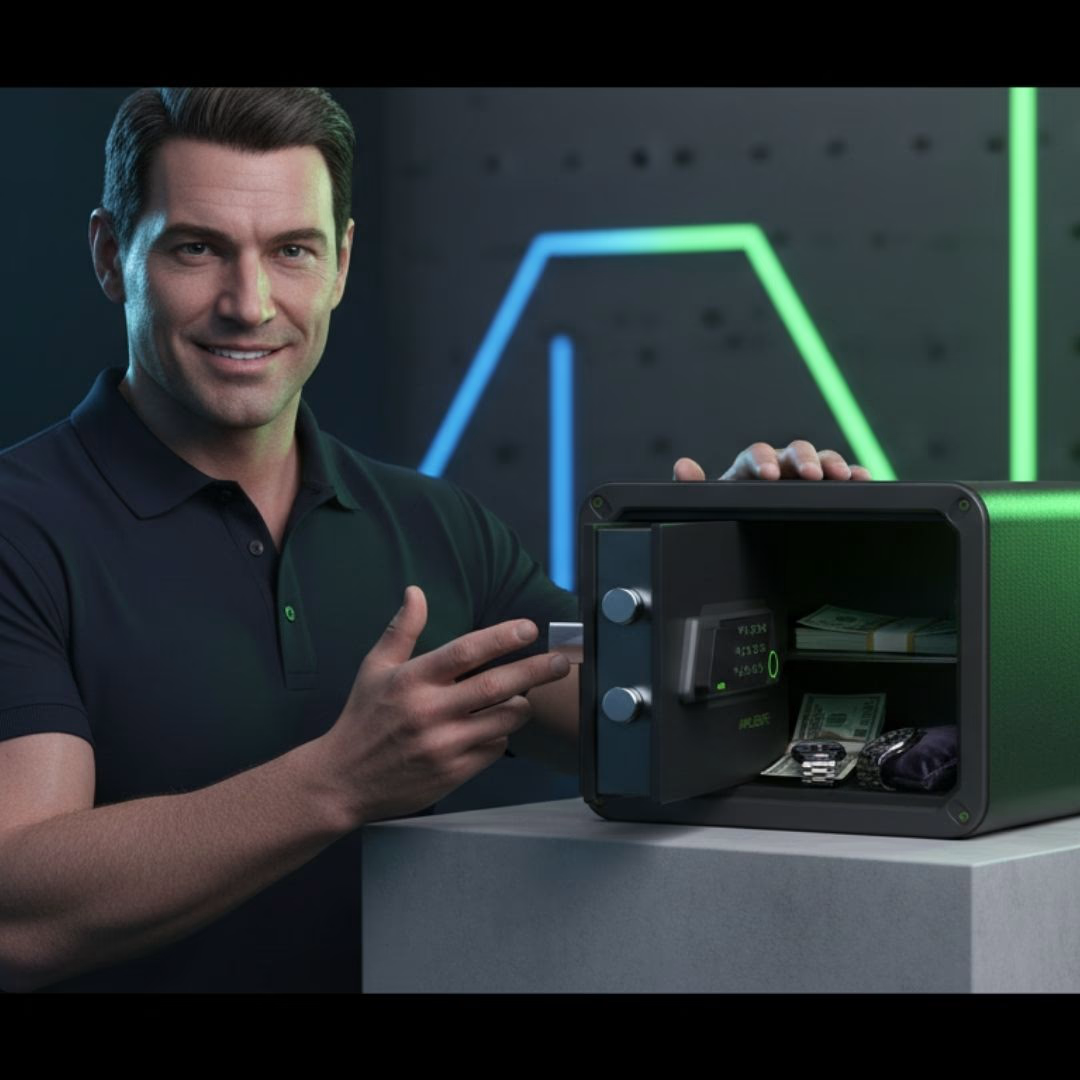
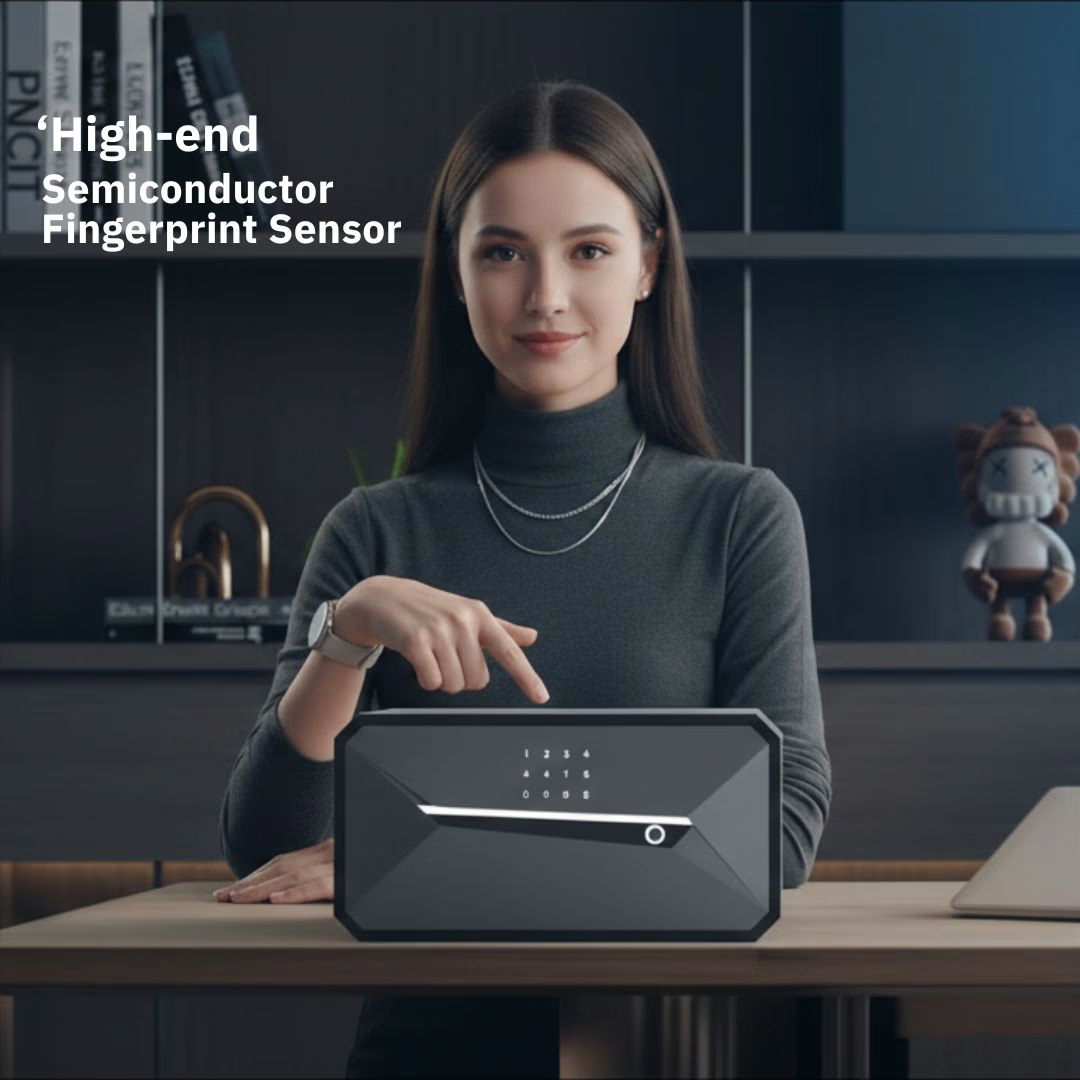
The single most common buyer mistake: choosing a safe that's too small. Once you fill it with documents, it's full — and you can't upgrade easily. The standard advice: buy at least double the capacity you think you need today.
| Interior Volume | What Fits | Best For |
|---|---|---|
| 0.5–1.0 cu ft | Cash, jewelry, a few documents, 1–2 handguns | Individuals, apartments |
| 1.2–2.0 cu ft | Full document folders, jewelry, laptop, handguns | Most family homes — sweet spot |
| 2.0–4.0 cu ft | Multiple binders, electronics, valuables collection | Families with significant documents/valuables |
| 4.0+ cu ft | Long guns, large collections, business documents | Gun owners, home offices, businesses |
Steel gauge is the most ignored spec and one of the most important. Lower gauge numbers mean thicker steel — the opposite of what most people assume.
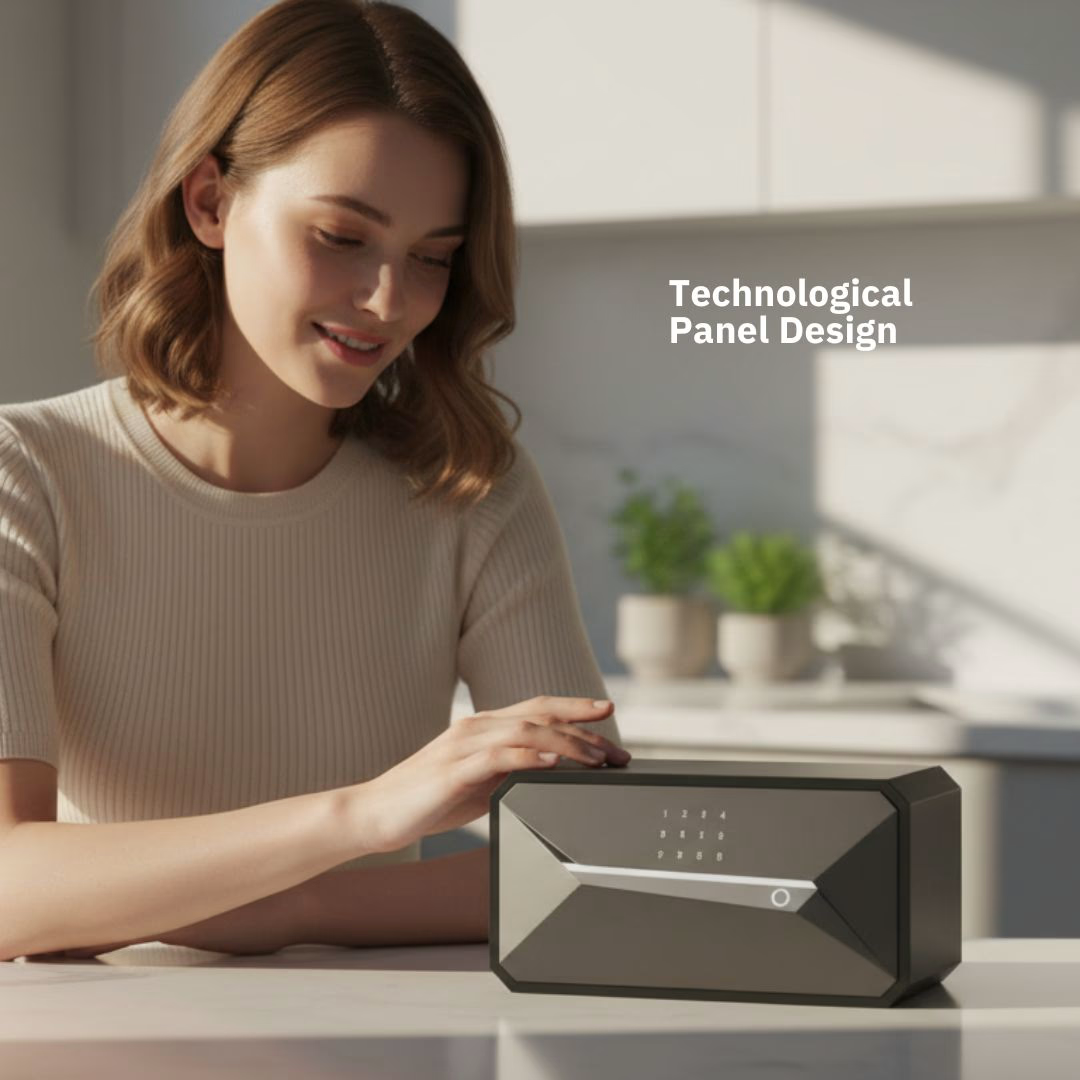
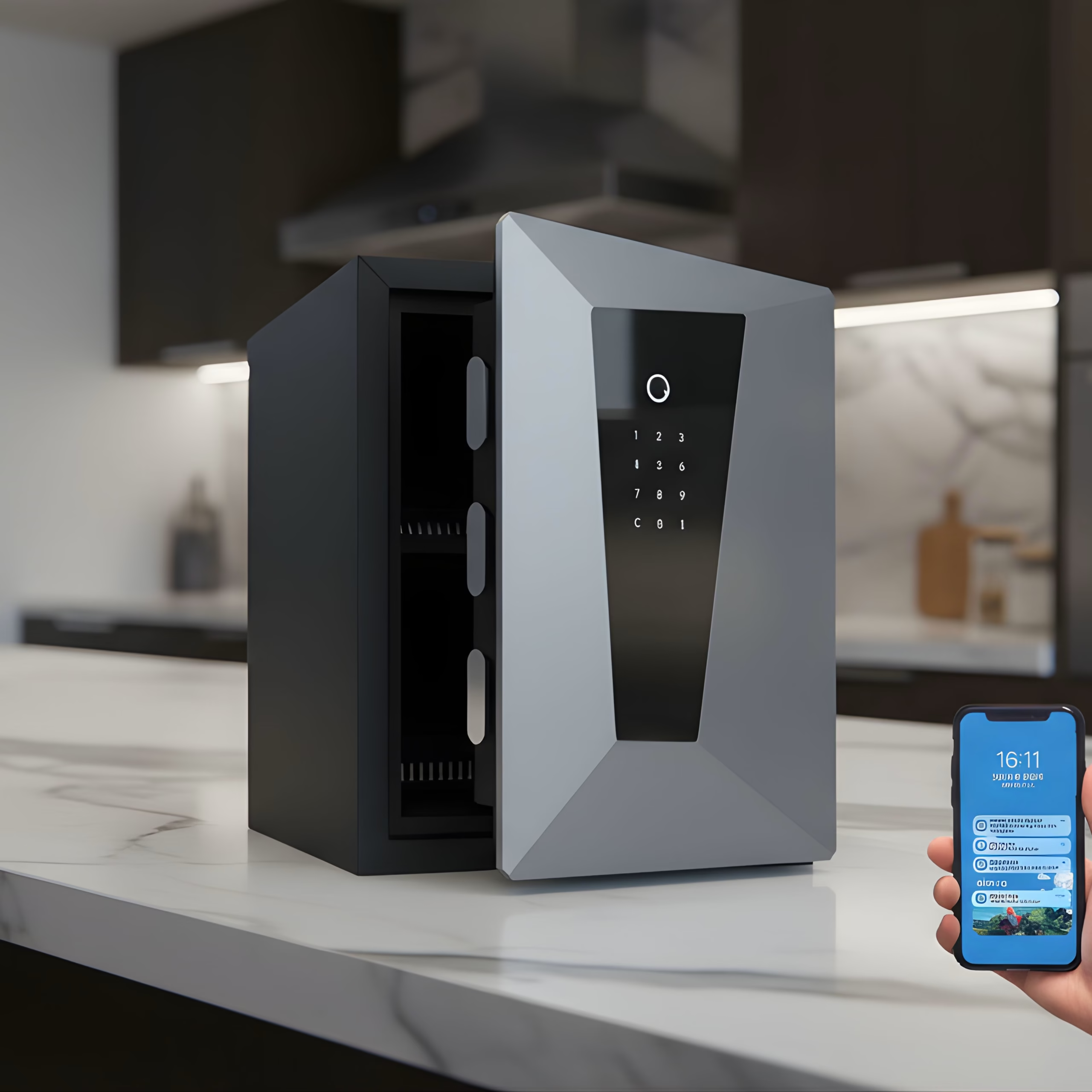
After reviewing the Safe Lockers range at Savage Excess, the V1-20T is our recommended home safe for 2026. It combines a patented bolt system, digital keypad access, and a premium build at a price point that makes it accessible for most households — currently on sale at 58% off.
Available at Savage Excess · Ships from Brooklyn NY · Currently on Sale — 58% off
Complete your home upgrade — read our Bathroom Vanity Buying Guide for 2026.
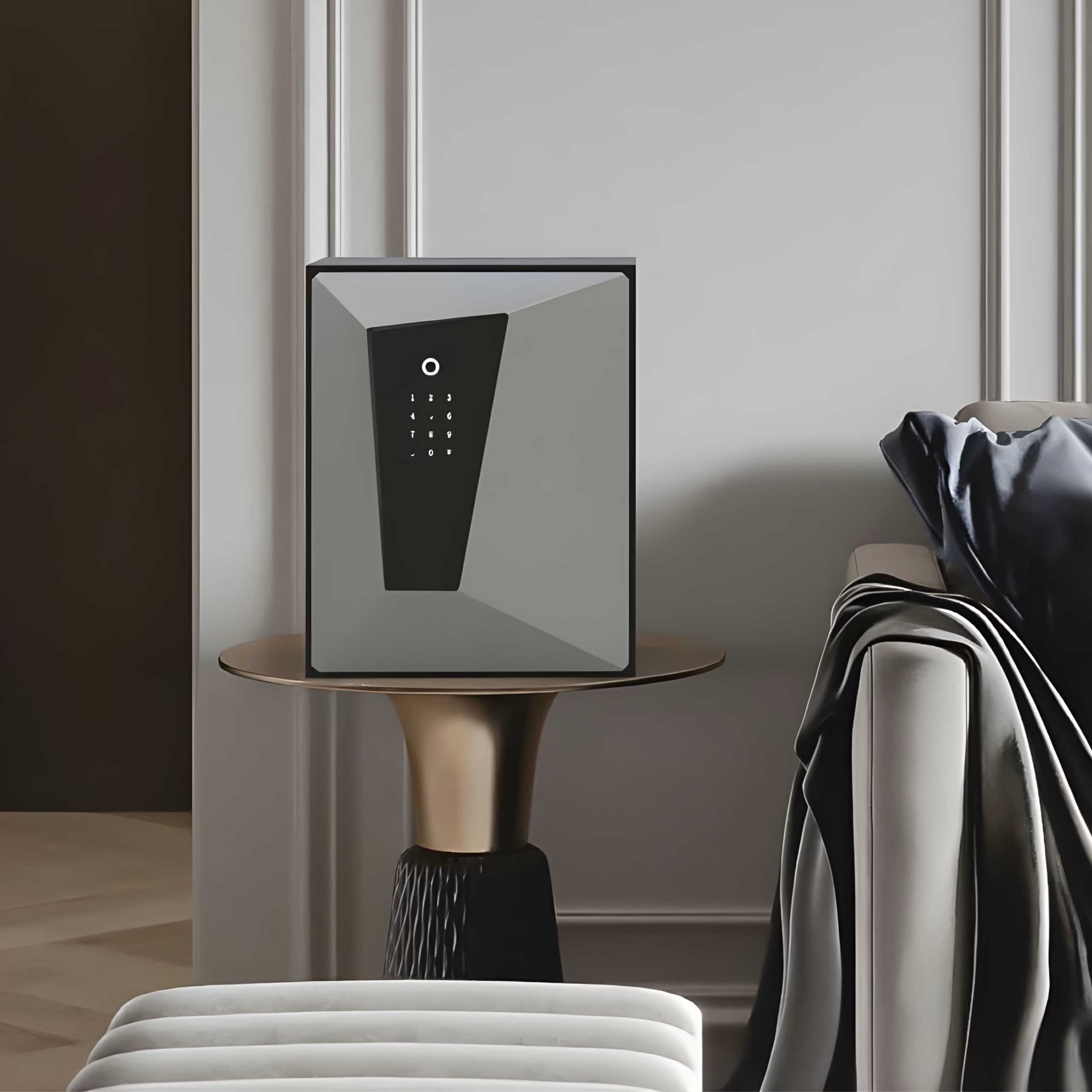
The master bedroom closet floor is the most common choice — easy to access, hidden from plain sight, and typically near where you spend time when at home. Avoid obvious locations like directly under the bed or on top of a dresser.
Even a 150-lb safe can be removed with two people and a dolly in minutes. Bolt your safe to the floor using the pre-drilled anchor holes — this is the single biggest security upgrade you can make regardless of safe quality. Use lag bolts into floor joists, not just subfloor.
The fewer people who know where your safe is located, the better. Most home burglaries involve someone who has been inside your home before — housekeepers, contractors, or acquaintances. Treat the location as genuinely private information.
All digital keypad safes include an emergency override key. Never store it in the same room as the safe, or attached to the safe itself. A bank safety deposit box is the ideal location for a backup override key.
Many safes ship with a factory default PIN (often 0000 or 1234). Change it before placing anything valuable inside — and avoid obvious PINs like birthdays, which are the first combinations tried by anyone who knows you.
Never store the override key taped to the back or bottom of the safe, hidden on the same shelf, or in the same drawer as the safe combination. This is the first place experienced thieves check. If a thief has time to search your room, a backup key stored nearby defeats the entire purpose of the safe.
| Feature | Budget ($50–$150) | Mid-Range ($150–$400) | V1-20T at Savage Excess |
|---|---|---|---|
| Steel Gauge | 14 gauge (thin) | 12 gauge | Premium gauge construction |
| Bolt System | 1–2 bolts, hinge side only | 3–4 bolts | Patented bolt system |
| Lock Type | Key or basic keypad | Digital keypad | Digital PIN keypad |
| Pry Resistance | Low | Moderate | High — patented design |
| Floor Anchoring | Sometimes included | Yes | Yes |
| Value Rating | Low — false security | Good | Excellent — 58% off |
Shop the V1-20T and all Safe Lockers at Savage Excess — ships from Brooklyn, NY.


 Savage Support
Someone in New York, NY
purchased a Savaroma Diffuser
Just now